Should You Pressure Wash Vinyl Siding or Use Soft Washing Instead?
For most vinyl siding, soft washing is the better choice than high-pressure washing. Soft washing uses low water pressure with an appropriate cleaning solution to loosen and remove dirt, algae, mildew, and organic buildup without subjecting vinyl panels, seams, and areas around windows to unnecessary force. Professional pressure washing may have specific exterior uses, but vinyl siding generally benefits from a gentler cleaning approach.
At All State Mobile Wash, we understand that effective house washing is about more than making a home look cleaner. The right exterior cleaning method should remove buildup while protecting the surfaces underneath. That is especially important for homeowners on the South Shore and Cape Cod, where moisture, storms, coastal conditions, and humid summer weather can contribute to exterior organic growth. Massachusetts public health officials note that mold thrives in conditions involving warmth, high humidity, moisture, and poor airflow. Our approach is to match the cleaning method to the surface, using professional techniques that deliver a thorough clean without relying on excessive pressure.
Why Is Soft Washing Vinyl Siding Safer Than High-Pressure Washing?
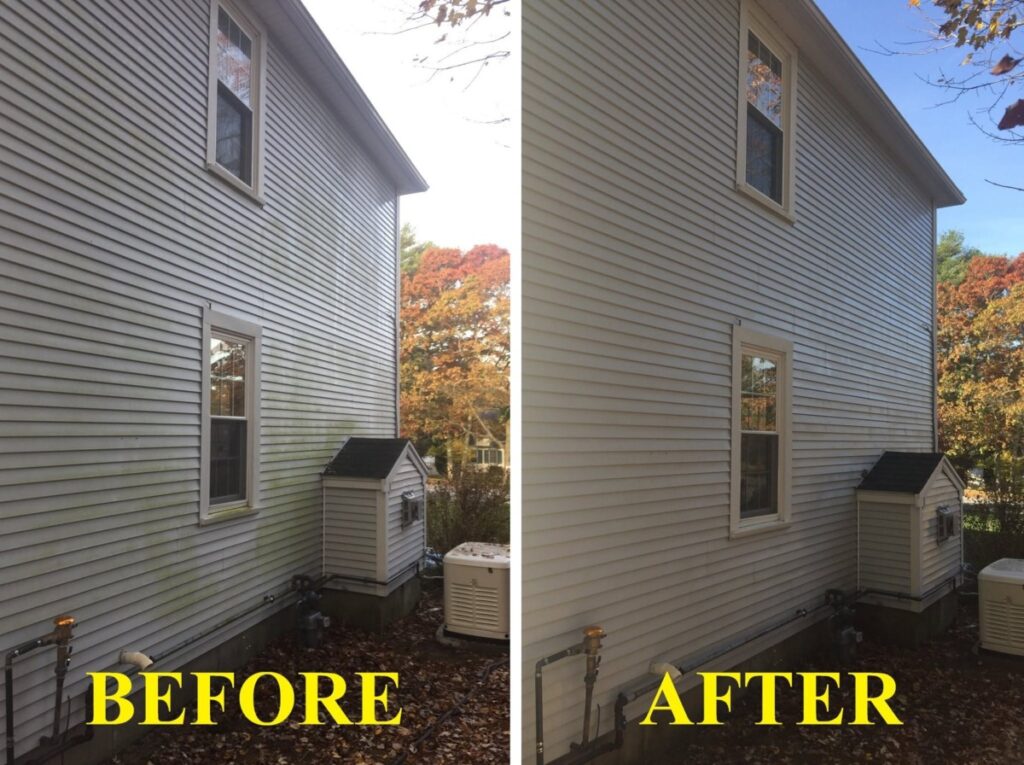
Soft washing is generally better suited to vinyl siding because it relies primarily on the cleaning process, rather than intense water pressure, to break down exterior buildup. This allows siding to be cleaned thoroughly while reducing the risks associated with directing high-pressure water at vinyl panels.
The Vinyl Siding Institute recommends gentle cleaning methods for vinyl siding, including a garden hose and a soft-bristled washing brush for routine cleaning. Its guidance also warns against stiff-bristle brushes and abrasive cleaners that can alter the siding’s appearance. These recommendations reinforce an important principle: vinyl siding does not need aggressive force to be cleaned effectively.
Can Pressure Washing Damage Vinyl Siding?
Yes, vinyl siding can be damaged or compromised when excessive pressure or improper technique is used.
Vinyl panels are designed to shed normal rainfall, but a concentrated stream from pressure washing equipment is very different from rain. Depending on the equipment, angle, distance, and condition of the siding, improper pressure washing can create problems such as:
- Water being forced behind siding panels
- Water entering gaps around windows, doors, and trim
- Loose or damaged siding
- Visible cleaning marks from inconsistent technique
- Damage to nearby caulking, screens, fixtures, or landscaping
The issue is not that pressure washing equipment can never be used around a home. It is that high pressure should not be the primary tool used to remove organic growth from delicate vinyl siding. A professional exterior cleaning company selects pressure based on the surface being cleaned.
How Does Soft Washing Clean Vinyl Siding?
Soft washing combines low-pressure application with professional cleaning solutions designed to loosen and remove contaminants from exterior surfaces.
Instead of attempting to blast stains away, the cleaning solution is given time to work on the buildup. The siding can then be rinsed at an appropriate pressure. This process is particularly useful for common exterior contaminants such as algae, mildew, dirt, pollen, and other organic material.
For homeowners comparing house pressure washing with soft washing, the distinction is important. Concrete cleaning and driveway pressure washing may call for controlled higher pressure because those surfaces are much harder. Vinyl siding requires a more surface-specific approach.
Why Do South Shore and Cape Cod Homes Develop Exterior Growth?
Moisture and humid conditions can encourage mold, mildew, algae, and similar organic buildup on exterior surfaces. Shaded portions of a house can be especially prone to staying damp.
The Massachusetts Department of Public Health reports that mold grows readily in environments with warm temperatures and high humidity. The agency also notes that increasing moisture from heavy rainfall and hotter, more humid summers can contribute to mold growth.
Those conditions matter locally. The Massachusetts Office of Coastal Zone Management identifies South Shore communities including Cohasset, Duxbury, Hanover, Hingham, Hull, Marshfield, Plymouth, and Scituate as part of its coastal region, while Cape Cod communities from Bourne and Sandwich to Chatham, Orleans, Wellfleet, and Provincetown are within the Cape Cod and Islands coastal region.
Massachusetts’ climate assessment also identifies coastal flooding, storms, and high-rainfall events among important hazards for the South Shore and Cape Cod regions. With moisture playing such a major role in organic growth, homeowners should pay attention to green, black, or streaky discoloration rather than waiting until buildup becomes severe.
How Often Should You Soft Wash Vinyl Siding in Massachusetts?
There is no single cleaning schedule that applies to every house. Vinyl siding should generally be professionally cleaned when visible algae, mildew, dirt, staining, or other buildup begins to develop.
How quickly that happens depends on factors including:
- Shade from trees and neighboring structures
- Exposure to moisture and rainfall
- Proximity to the coast
- The direction each side of the house faces
- Nearby vegetation
- Previous cleaning and maintenance
- How quickly siding dries after wet weather
Rather than automatically scheduling aggressive residential pressure washing every year, homeowners can have their siding evaluated and cleaned with the method appropriate for its condition.
Is DIY Pressure Washing Vinyl Siding a Good Idea?
DIY pressure washing can be risky when homeowners are unfamiliar with pressure settings, spray angles, cleaning solutions, or siding construction.
A pressure washer that works well for a concrete patio may be far too aggressive for vinyl siding. Spraying upward can also direct water beneath overlapping siding panels. Professional house washing reduces those risks because technicians can adjust the cleaning process to the material and type of contamination present.
If you clean small areas yourself, follow the siding manufacturer’s cleaning recommendations and test products in an inconspicuous area. Avoid abrasive tools and never assume that more pressure will produce a better result.
Soft Washing vs. Pressure Washing: Which Method Goes Where?
The best exterior cleaning method depends on the surface. Professional power washing services should not treat every part of a property the same way.
Soft washing is commonly appropriate for:
- Vinyl siding
- Certain painted exterior surfaces
- Delicate building materials
- Surfaces affected primarily by organic growth
Controlled pressure washing may be appropriate for:
- Concrete driveways
- Certain patios
- Walkways
- Other durable masonry surfaces
This surface-specific approach helps homeowners get better results while avoiding unnecessary wear. The goal of professional exterior cleaning services should always be to use enough cleaning power to do the job effectively, without using more pressure than the surface requires.
Frequently Asked Questions About Cleaning Vinyl Siding
Is soft washing safe for vinyl siding?
Yes, when performed correctly, soft washing is well suited to vinyl siding because it uses lower pressure and relies on an appropriate cleaning solution to remove contaminants. The process should always account for the siding manufacturer’s care recommendations and the condition of the home.
Can you pressure wash a vinyl-sided house?
Pressure washing equipment can be used professionally around vinyl siding, but excessive pressure and improper spray angles can cause problems. For removing algae, mildew, and general organic buildup, soft washing is typically the safer approach.
Does soft washing remove green algae from siding?
Yes. A properly performed soft wash is designed to loosen and remove organic buildup such as green algae and mildew rather than simply trying to blast visible staining off the surface.
What time of year is best for house washing in Massachusetts?
Spring through fall can all be suitable for exterior house washing, depending on weather and property conditions. Many South Shore and Cape Cod homeowners choose cleaning when winter grime, pollen, algae, mildew, or other visible buildup begins affecting the home’s appearance.
Protect Your Vinyl Siding With the Right Cleaning Method
When choosing between pressure washing and soft washing for vinyl siding, the gentler, surface-appropriate method is usually the smarter option. Soft washing can remove the organic buildup common on Massachusetts homes while minimizing the risks associated with excessive water pressure.
All State Mobile Wash provides professional house washing and exterior cleaning services for homeowners throughout the South Shore and Cape Cod. We choose cleaning methods based on the surface and condition of the property, helping restore a cleaner exterior without taking unnecessary chances with your siding.
Ready for professional house washing? Contact All State Mobile Wash today to request service for your South Shore or Cape Cod home.